Benefits of Infrared Sauna for Arthritis Relief
Table of Contents
- How Infrared Sauna Heat Reaches Arthritic Joints
- Key Benefits of Infrared Sauna for Arthritis Pain and Stiffness
- Infrared Sauna Session Duration for Pain: How Long Is Enough
- Best Practices for Sauna Use with Joint Inflammation
- Traditional vs Infrared Sauna for Arthritis: Which Suits You
- Safety, Medication Interactions, and When to Talk to Your Rheumatologist
- Choosing a Home Infrared Sauna for Arthritis Relief
- Frequently Asked Questions
Last Updated: September 18, 2026
How Infrared Sauna Heat Reaches Arthritic Joints
Infrared sauna therapy is a type of dry heat treatment that uses infrared light to warm the body directly rather than heating the surrounding air. This distinction matters for arthritis because the heat reaches deep into muscle and joint tissue, which is where stiffness and pain live.

Far-Infrared vs. Near-Infrared Wavelengths
Far-infrared waves are longer (roughly 3,000 to 100,000 nanometers) and penetrate deeper into tissue, which makes them the better choice for joint pain and stiffness. Near-infrared waves are shorter (roughly 700 to 1,400 nanometers) and mostly affect the skin's surface, though they are often paired with red light panels for added skin and recovery benefits.
The Physiological Chain: From Heat to Joint Relief
Understanding why infrared heat helps arthritic joints requires following a short chain of events that most benefit-list articles skip:
- Radiant absorption. Infrared waves are absorbed by water molecules in skin, muscle, and connective tissue, converting to heat without first heating the air around you.
- Vasodilation. Local blood vessels widen in response to heat, increasing peripheral circulation to the hands, knees, and other joints that arthritis tends to stiffen.
- Tissue extensibility. Collagen fibers in tendons, ligaments, and joint capsules become more pliable as tissue temperature rises, which is why range of motion often improves right after a session.
- Muscle relaxation. Heat reduces the guarding response, the involuntary muscle tightening that protects a painful joint, which in turn lowers the compressive load on the joint itself.
- Neuromodulation. Warmth stimulates cutaneous thermoreceptors that can dampen pain signaling, a mechanism similar to why a heating pad feels soothing on a sore back.
What Infrared Heat Does Not Do
It is worth being clear about the limits. Infrared sauna heat does not reverse cartilage loss in osteoarthritis, does not suppress the autoimmune process behind rheumatoid arthritis, and does not replace disease-modifying medications. Think of it as a comfort and mobility tool that works alongside your treatment plan, not a substitute for it.
Arthritis Foundation guidance on heat therapy
Key Benefits of Infrared Sauna for Arthritis Pain and Stiffness
The main benefits of infrared sauna for arthritis come down to two things: less inflammation and more movement. Heat causes blood vessels to widen, a process called vasodilation, which boosts peripheral circulation to stiff joints.

- Reduced joint inflammation and swelling
- Improved range of motion and flexibility
- Less morning stiffness
- Better muscle relaxation around sore joints
- A calming effect that helps with chronic pain management
Reduced Joint Inflammation and Swelling
Heat therapy can help ease joint inflammation and swelling by improving blood flow to the area. Better circulation helps move fluid that builds up around inflamed joints, which may reduce edema and tenderness.
Improved Range of Motion and Flexibility
Warm tissue stretches more easily than cold tissue. That is the simple reason heat helps with range of motion.
Cleveland Clinic overview of sauna health effects
Infrared Sauna Session Duration for Pain: How Long Is Enough
The best session length for arthritis pain is 15 to 30 minutes at a comfortable temperature, three to four times per week. Start shorter, around 10 to 15 minutes, and build up as your body adjusts.

A few practical notes on session duration for pain:
- Keep the temperature between 120°F and 140°F to start
- Stay hydrated before, during, and after
- Stop if you feel dizzy, nauseous, or overheated
- Aim for consistency over intensity
Best Practices for Sauna Use with Joint Inflammation
Good habits make the difference between a session that helps and one that wipes you out. The best practices for sauna use with joint inflammation center on hydration, timing, and how you recover afterward.
Hydration, Timing, and Post-Session Recovery
Timing matters as much as duration. Many people do best with a session in the evening, when stiffness tends to peak.
A simple post-session routine:
- Cool down slowly, do not rush into cold air
- Drink water with a pinch of electrolytes
- Do gentle stretching while muscles are still warm
- Rest for 15 to 20 minutes before activity
Traditional vs Infrared Sauna for Arthritis: Which Suits You
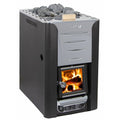
Infrared saunas usually suit arthritis users better than traditional saunas because they run at lower temperatures and heat the body directly. Traditional Finnish saunas use hot air and steam, which can feel intense and harder to tolerate for long sessions.
| Feature | Traditional Sauna | Infrared Sauna |
|---|---|---|
| Heat source | Hot air and steam | Infrared light panels |
| Typical temp | 160°F to 190°F | 120°F to 140°F |
| Session feel | Intense, humid | Gentle, dry |
| Best for | Heat tolerance | Joint stiffness |
| Warm-up time | Longer | Faster |
Safety, Medication Interactions, and When to Talk to Your Rheumatologist
Infrared sauna use is generally safe for most people, but arthritis patients need to check a few things first. Some medications change how your body handles heat, and that raises the risk of overheating. This is the part most sauna articles gloss over, and for arthritis patients, it is the part that matters most.

How Common Arthritis Medications Interact with Heat
Different drug classes affect heat tolerance in different ways. Here is what to know before your first session:
- Biologics (TNF inhibitors, IL-6 inhibitors, and similar). These suppress parts of the immune response. They do not directly impair sweating, but they can increase infection risk, so avoid sauna use if you have any signs of an active infection, fever, or open skin.
- Immunosuppressants (methotrexate, azathioprine, and similar). Same caution as biologics: heat itself is fine, but a suppressed immune system means any skin irritation or infection should be taken seriously.
- NSAIDs (ibuprofen, naproxen, celecoxib). These can affect kidney function and fluid balance. Combined with heavy sweating, that raises dehydration risk. Hydrate aggressively before and after.
- Corticosteroids (prednisone and similar). Long-term use can thin skin and impair the body's stress response. Keep sessions shorter and cooler than you otherwise would.
- Diuretics and blood pressure medications. These are the highest-risk category for heat therapy. Diuretics reduce fluid volume; beta-blockers and some calcium channel blockers can blunt the heart-rate response that normally signals overheating. You may not feel the warning signs until you are already in trouble.
- Anticholinergic drugs. These reduce sweating, the body's primary cooling mechanism in a dry sauna. Overheating can happen faster than you expect.
- Any medication with a sun or heat sensitivity warning. Treat that warning as applying to sauna use too.
A Pre-Session Checklist for Arthritis Patients
Before you step into any sauna, home or commercial, run through this list:
- Confirm with your rheumatologist that heat therapy is appropriate for your specific condition and medication regimen.
- Check whether you have an active flare with visible swelling, a fever, or open skin. If yes, skip the session.
- Hydrate with water and a light electrolyte source in the hour before.
- Bring a water bottle into the session and sip every few minutes.
- Set a timer. Do not rely on how you feel, heat stress can build before you notice it.
- Tell someone you are using the sauna, especially if you live alone.
Home vs. Commercial Sauna Safety
The safety considerations differ depending on where you are using the sauna:
- At home, you control the temperature, the duration, and the exit. That is a real advantage for arthritis users who need to start slow. But you also need a way to monitor yourself, a timer, a water bottle within reach, and ideally a phone nearby. Never lock yourself in.
- At a commercial facility, ask staff about the temperature range before booking. Many gyms and spas run infrared rooms hotter than the 120°F to 140°F range that is comfortable for arthritis users. Ask whether the temperature is adjustable, and do not be shy about leaving early if it feels too intense.
When to Stop Immediately
Stop the session and cool down if you experience any of the following:
- Dizziness, lightheadedness, or a spinning sensation
- Nausea or a sudden headache
- Rapid heartbeat that does not settle within a minute or two of sitting still
- Confusion or difficulty concentrating
- Any new joint pain that feels sharper than your baseline
Choosing a Home Infrared Sauna for Arthritis Relief
A home infrared sauna makes consistent sessions easy, which is exactly what arthritis relief requires. The right unit depends on your space, your budget, and how many people will use it.
- The 1-Person Indoor Full-Spectrum Infrared Sauna pairs 7 heating panels with 660nm and 850nm red light therapy. It reaches 113°F in about 25 minutes and fits small indoor spaces.
- The 2-3 Person Indoor Infrared Sauna uses 9 panels and a 360° surround system for balanced warmth.
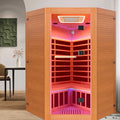
- The 3-4 Person Corner Infrared Sauna combines 6 heating tubes and 3 carbon plates with Himalayan salt panels.
- The 4-Person Outdoor Far Infrared Sauna Room is built from Old Fir with 8 far-infrared panels for outdoor use.
Frequently Asked Questions
Is it safe to use an infrared sauna if I have rheumatoid arthritis?
Many people with rheumatoid arthritis use infrared saunas without issue, but safety depends on your medications and disease activity. If you take immunosuppressants, biologics, or medications that affect sweating or blood pressure, check with your rheumatologist first. Avoid sessions during active flares or if you have uncontrolled cardiovascular conditions. Start with shorter sessions of 15 minutes at lower temperatures (around 110°F to 120°F) and stop if you feel dizzy or overheated.
How often should someone with arthritis use an infrared sauna?
Most arthritis users find that three to four sessions per week work well for managing stiffness and chronic pain. Some prefer daily shorter sessions during flare-ups, while others do two longer sessions weekly. The key is consistency rather than intensity. Track your joint tenderness and fatigue levels for two weeks to find your personal rhythm, and adjust based on how your body responds. Always allow at least a few hours between sessions.
What are the downsides of using an infrared sauna for arthritis?
The main downsides include dehydration risk, especially if you take diuretics, and possible dizziness from vasodilation and cardiovascular response. Some people experience heat stress or skin irritation at higher temperatures. Infrared saunas are not a replacement for medical treatment, and results vary. If you have edema, uncontrolled hypertension, or take medications that impair sweating, the risks may outweigh the benefits. Always hydrate before and after, and keep sessions under 30 minutes.
How does infrared heat differ from traditional sauna heat for arthritis?
Traditional saunas heat the air to 160°F to 190°F, which can feel intense and may be harder on joints during flares. Infrared saunas use radiant heat to warm the body directly at lower air temperatures, typically 110°F to 140°F. This gentler heat penetrates tissue more deeply, supporting muscle relaxation and peripheral circulation without the respiratory strain of high humidity. For arthritis, many users find infrared more comfortable for longer, more frequent sessions.
Arthritis pain rarely follows a convenient schedule, which is why a sauna you can step into at home changes the routine. Luxure Saunas offers full-spectrum infrared heat, red light therapy panels, and durable Canadian hemlock construction built for years of daily use. If you want a steady, calming ritual that supports stiff joints and sore muscles, a home infrared sauna is a practical place to start. Explore the Luxure Saunas collection and find the model that fits your space.